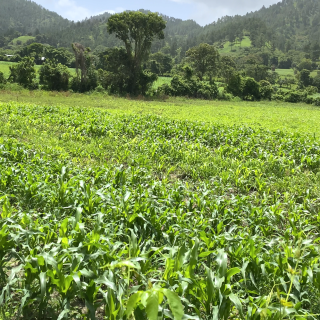
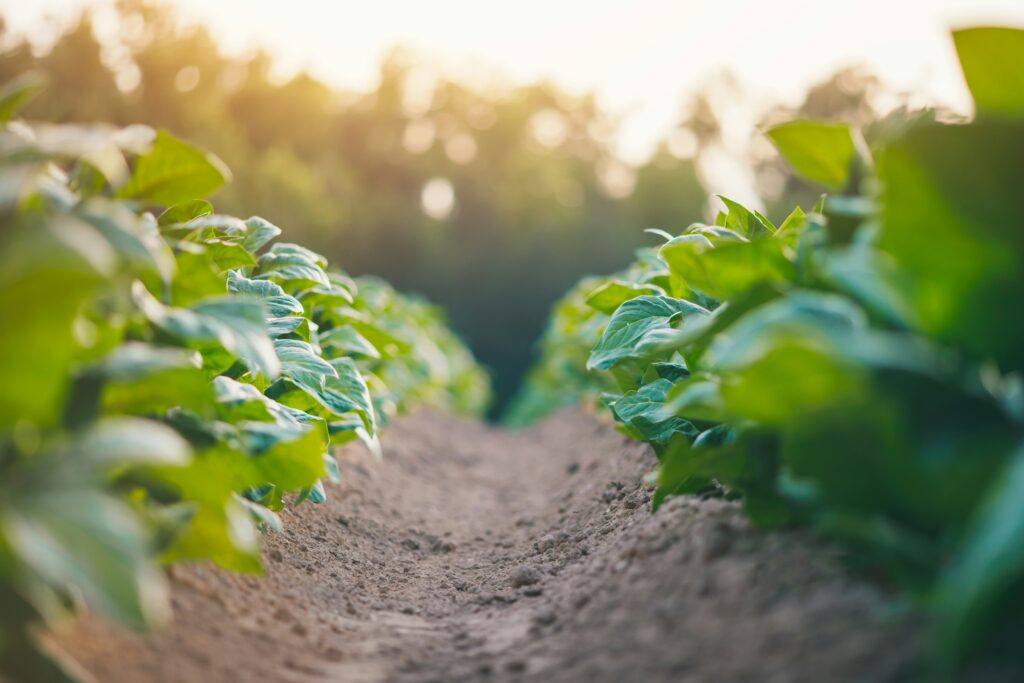
In the heart of Central America, Nicaragua has a long tradition in cigar culture and manufacturing. Located in the north of Nicaragua, the region of Estelí is renowned for its nutrient-rich soils and ideal climate for tobacco cultivation. This region is home to numerous tobacco plantations and renowned cigar factories. Dating back to pre-Columbian times, the indigenous people of the region have been cultivating tobacco for centuries, using ancestral techniques to produce cigars that are both robust and fragrant.
However, it was only in the 20th century that the Nicaraguan cigar industry experienced significant growth. With the arrival of Cuban immigrants, Cuban craftsmanship and manufacturing techniques merged with local traditions, creating a unique fusion of flavors and styles.
In the 1960s and 1970s, Nicaragua quickly became one of the leading producers of high-quality cigars in Central America, attracting the attention of cigar enthusiasts worldwide. However, the civil war that broke out in the 1980s dealt a severe blow to the Nicaraguan cigar industry, leading to the closure of many factories and the disappearance of many iconic brands.
Despite these challenges, the Nicaraguan cigar industry experienced a remarkable revival in the 1990s and 2000s. With peace restored, new producers emerged, using modern cultivation and manufacturing techniques to produce high-quality cigars that rival the best in the world. Today, Nicaragua is recognized as one of the leading regions for premium cigar production, offering a wide range of flavors and aromatic profiles that appeal to enthusiasts worldwide.
The history of cigars in Nicaragua is a story of innovation and passion. Today, it is recognized as one of the main producing regions, offering unique and unforgettable tasting experiences, a diversity of flavors and aromas that captivate enthusiasts worldwide.